01
Relevant feedstock
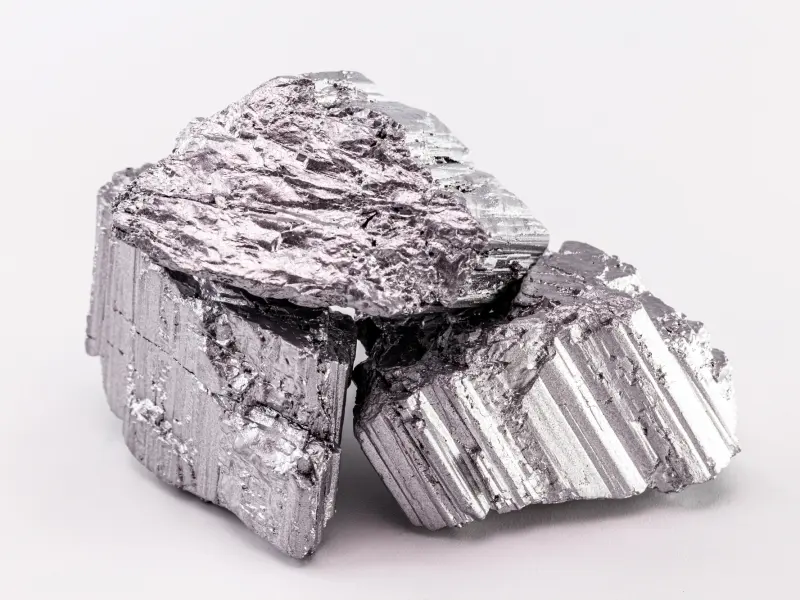
Ta, Nb, Mo, W, Re, Hf, Zr and V as sheet, bar, wire, turnings, tools or production residues. The relevant boundary is refractory metals and known specialty alloys versus conventional mixed scrap, attachments and unidentified composites. Typical source sectors include vacuum technology, aerospace, chemical equipment, medical technology and high-temperature engineering. A useful description records physical form, condition, origin, visible markings, coatings, attachments and separation within the lot. Components, residues, powders, liquids and composite structures should not be presented as equivalent feedstock. Naming a form does not confirm acceptance or suitability for a particular recovery route.
02
Classification and sorting
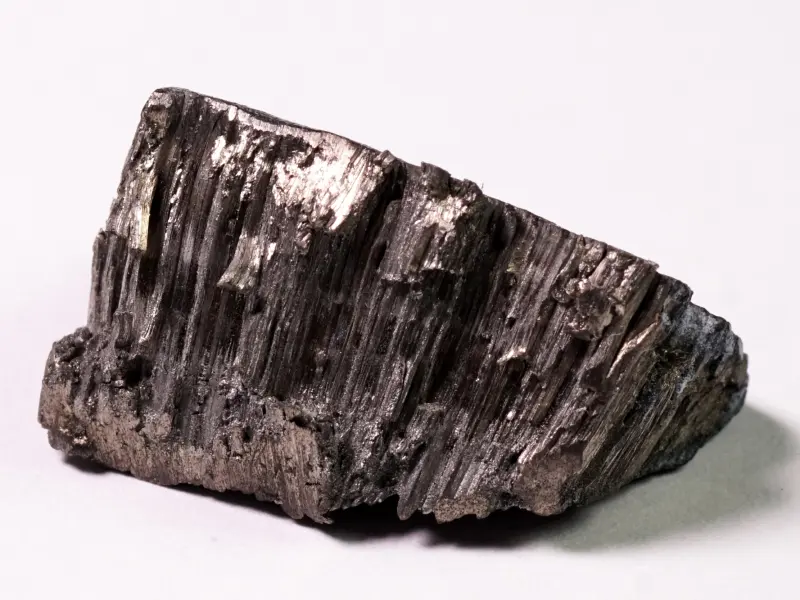
Classification records the material family, visible form, condition, origin and markings as separate facts. For Ta, Nb, Mo, W, Re, alloy, coating, carrier material or removable attachments may affect the next review step.
03
Process
Relevant technical steps may include inspect markings, keep metals separate, record contamination, clarify preparation and assess a possible downstream route. The method boundary is clear: alloy family, matrix and contamination define the review need; element names alone are insufficient. Safe handling, interfering materials, waste classification and available records are reviewed before further classification. Markings or screening results do not provide representative evidence for a heterogeneous lot. Sampling, analysis, collection, treatment and a process route are not assumed; each requires separate agreement and a method suited to the specific material.
04
Logistics and transfer
Logistics for this specialist topic depend on material type, condition, packaging, potential hazards and waste classification. For sites in Metal recycling for industrial sectors, Sell and recycle industrial metals, Industrial scrap and residue recycling, Electronics and component recycling, EV motor and magnet assembly recycling, the consignor, origin, proposed handover method and available supporting information should be clarified early.
05
Individual assessment
Assessment for this specialist topic is specific to the material actually offered.
06
Next steps
For a no-obligation enquiry, describe the lot as specifically as possible. Useful details include photographs, estimated scale, condition, origin, markings, country of storage and information about the generating process.
07
Hardmetals, superalloy revert and titanium streams
Hardmetals
Hardmetal is a composite of a hard phase and a metallic binder, so it should not be described as pure tungsten.
Check the grade or marking, binder information and whether the lot contains tools, inserts, grinding sludge or powder.
Superalloy revert
Superalloy revert should be documented separately by alloy family, heat or lot, and visible foreign material.
Check the material designation, heat or lot reference and mixing with nickel-, cobalt- or iron-based alloys.
Titanium streams
For titanium streams, the alloy, product form and attached oils, coatings or foreign metals should be stated separately.
Check the grade, solid pieces or turnings and known attachments; the word titanium alone is insufficient.
Send a no-obligation enquiry
Each lot is reviewed using the material information and evidence provided. Market and assessment factors may change; no blanket prices are stated.