01
Relevant feedstock
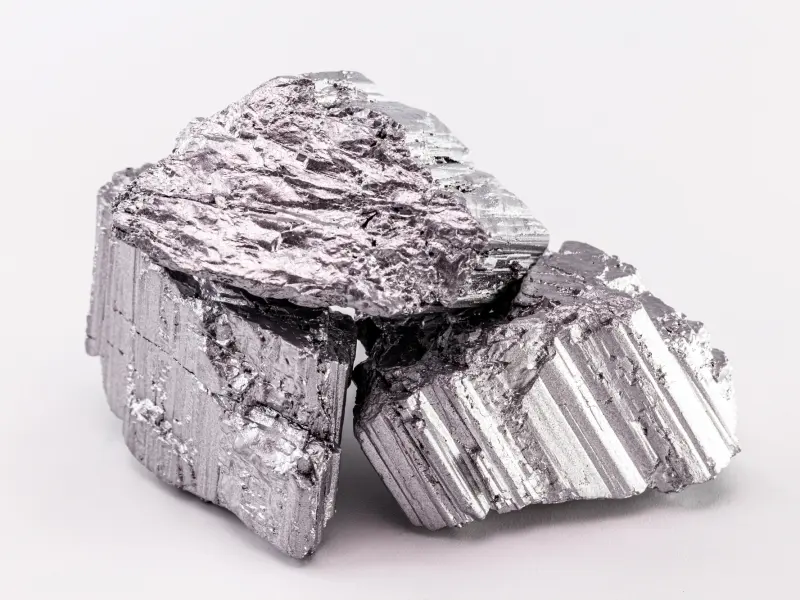
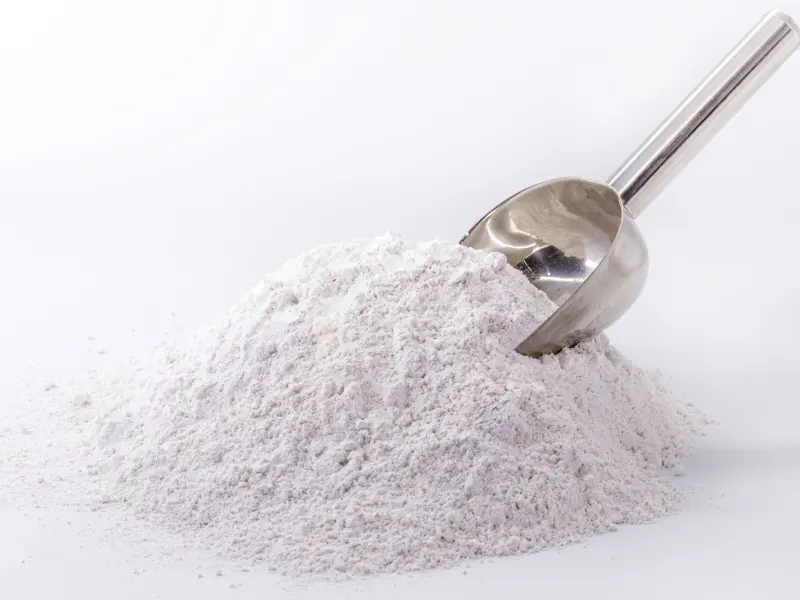
The rare-earth hub covers elemental metals, oxides, salts and other defined compounds, together with powders, sludges, solutions, catalyst residues and non-magnetic process remnants. Chemical speciation, carrier matrix, approximate concentration, moisture, contaminants and process origin are central distinctions. A metal, oxide and compound cannot be treated as equivalent because preparation and analytical needs differ. Magnet-bearing assemblies appear here only as a boundary and are assigned exclusively to the dedicated permanent-magnet-recycling topic.
02
Classification and sorting
Classification records the material family, visible form, condition, origin and markings as separate facts. For this material stream, alloy, coating, carrier material or removable attachments may affect the next review step.
03
Process
Review begins with the material name, chemical form, known speciation and matrix supported by available records. Compatible fractions should remain separate while interfering substances, solubility and potential sample preparation are assessed. Heterogeneous or wet residues may require representative sampling and matrix-appropriate analysis, but only by prior agreement. The technical review distinguishes direct material loops, preparation and metallurgical separation as possible route families. It does not promise analysis, acceptance or a particular rare-earth recovery process.
04
Logistics and transfer
Logistics for this specialist topic depend on material type, condition, packaging, potential hazards and waste classification. For sites in Metal recycling for industrial sectors, Industrial scrap and residue recycling, Electronics and component recycling, EV motor and magnet assembly recycling, Wind turbine generator recycling, the consignor, origin, proposed handover method and available supporting information should be clarified early.
05
Individual assessment
Assessment for this specialist topic is specific to the material actually offered.
06
Next steps
For a no-obligation enquiry, describe the lot as specifically as possible. Useful details include photographs, estimated scale, condition, origin, markings, country of storage and information about the generating process.
Send a no-obligation enquiry
Each lot is reviewed using the material information and evidence provided. Market and assessment factors may change; no blanket prices are stated.